
Eric Severson brings to his coaching practice a unique blend of executive...
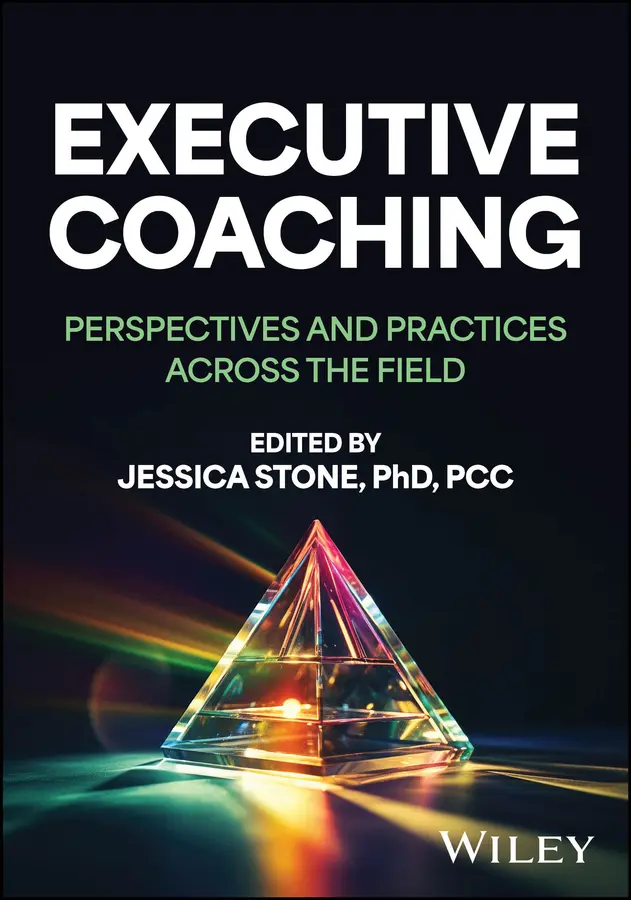
Executive Coaching: Perspectives and Practices Across the Field
Executive coaching is a dynamic and growing field, yet it is often learned through scattered models, individual lineages, and isolated points of view. Executive Coaching: Perspectives and Practices Across the Field was created to bring a wider range of perspectives into one place.
Organized around 20 foundational questions, the book invites experienced coaches to respond from their own training, philosophy, and real-world practice. The result is a multi-voiced exploration of executive coaching that helps readers see both shared themes and meaningful differences across the profession.
This book is designed to help readers think more deeply about the work, better understand the range within the field, and approach coaching with greater clarity, discernment, and nuance.
What makes this book distinctive
A question-centered structure
Each chapter focuses on a foundational question in executive coaching, allowing readers to explore the same issue through multiple professional lenses.
Multiple experienced voices
Rather than presenting a single authoritative stance, the book gathers perspectives from experienced practitioners whose approaches reflect the richness and variation of the field.
Theory and application together
Topics include chemistry calls, contracting, foundational approach, credentialing, cultural humility, ethics, digital tools, resilience, leadership, imposter syndrome, ROI, and the future of coaching.
Synthesis across perspectives
The book helps readers identify common themes while also appreciating differences in emphasis, method, and philosophy.
What readers will explore
Readers will encounter perspectives on topics such as:
- establishing rapport through chemistry calls
- creating effective coaching contracts
- defining the distinctions between coaching, mentoring, and advising
- navigating credentialing, competency, and coach development
- bringing cultural humility and intersectionality into practice
- responding ethically to complex or psychologically sticky situations
- cultivating self-awareness in both coach and client
- integrating assessments and digital tools thoughtfully
- supporting resilience, leadership development, and growth under pressure
- measuring and communicating return on investment
- considering where executive coaching is headed next
Who this book is for
This book is written for executive coaches, leadership development professionals, organizational consultants, and graduate students seeking a broader, more grounded understanding of executive coaching across the field.
Meet the Contributors
The contributors below bring their own experience, training, and perspective to the questions explored throughout the book. Together, they offer readers a broader view of executive coaching practice than any single voice could provide.
Meet The Contributors
Dr. Feldman believes that leadership is not defined by authority, but by...
Clare Kumar is a Certified Executive Coach embedding neuroinclusion in her work...
Lauren Dix is a dedicated coach passionate about empowering individuals to navigate...
Sam Isaacson works at the intersection of coaching, leadership and technology, focusing...
Dr. Stone is a highly trained executive coach for exceptional minds. AdminChris...
Dr. Gena Cox is an award-winning organizational psychologist, executive coach, and global...
The synergy of this profession is what makes it most meaningful, even...
Tutti Taygerly coaches tech founders and leaders to break free from cookie-cutter...
Coaching, for John Bradford, is not about theory or buzzwords. It is...
I have a keen understanding of the role of personal action in...

Nadya Ichinomiya is an executive coach, author, and leadership catalyst who helps...
Loren and her team partners with global organizations to help leaders expand...

Lauren Berlin brings a unique perspective to leadership coaching, born from her...

There is no better way to learn and grow than to serve...